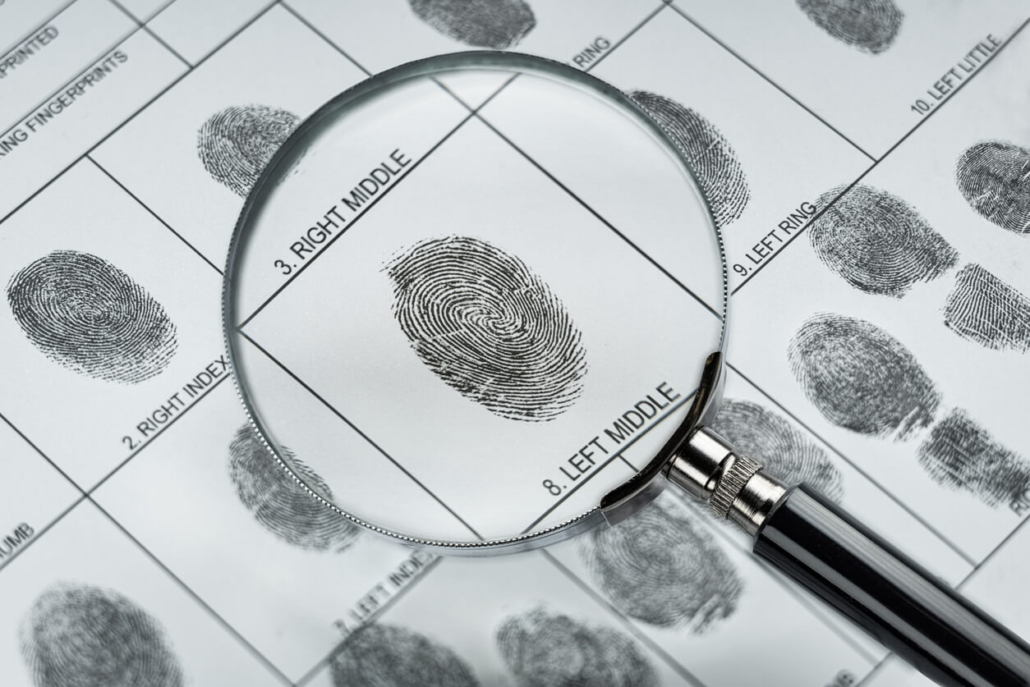
How Long Does Fingerprinting Take?
If you are scheduling fingerprinting for a license, background check, employment requirement, or agency application, one of the first questions that comes up is simple: how long does fingerprinting take?
The short answer is that most fingerprinting appointments are surprisingly quick. In many cases, the actual appointment can take about 10 to 15 minutes when everything goes smoothly. But that is only part of the story. The full timeline depends on what kind of fingerprinting you need, whether you are using live scan or ink fingerprint cards, how prepared you are when you arrive, and how long the receiving agency takes to process your results.
That difference matters. There is the time it takes to get fingerprinted, and then there is the time it takes for your fingerprints to be reviewed, submitted, and accepted by the agency requesting them. Those are not always the same thing, and people often confuse the two.
At Mobile Electronic Fingerprinting, this is where experience makes a real difference. A fast appointment is helpful, but a clean, properly captured print is what helps prevent rejections, delays, and the kind of back-and-forth that can drag a simple requirement into a weekslong headache. For individuals and organizations dealing with multi-state licensing, that efficiency matters even more.
The Actual Fingerprinting Appointment Is Usually Fast
For most people, the fingerprinting appointment itself is the shortest part of the process. If you have your identification ready, know what type of prints you need, and are working with an experienced technician, you can often be in and out in around 10 minutes.
That may sound almost too quick for something tied to licensing, compliance, or a background check, but fingerprinting is a precise process, not a slow one. A trained technician knows how to position your hands, capture quality prints, and make sure everything is completed correctly without wasting time. Think of it less like a long exam and more like a well-run checkpoint. If the paperwork is in order, it moves.
For walk-in or scheduled appointments, the biggest variable is usually preparation. Someone who arrives with the right documents and clear instructions from the requesting agency will move much faster than someone trying to figure out on the spot whether they need an FD-258 card, electronic submission, ORI number, or specific state form.
A professional fingerprinting provider will usually guide you through that process, but if you come in missing key information, even a simple appointment can slow down.
What Affects How Long Fingerprinting Takes?
Several factors influence the timeline, both for the appointment itself and for the final processing of your fingerprints.
The first is the fingerprinting method. Live scan electronic fingerprinting is generally faster than traditional ink fingerprinting because the prints are captured digitally and can often be submitted electronically when the agency allows it. Ink rolled fingerprints on FD-258 cards can still be completed quickly, but they may require mailing, manual review, or additional handling after the appointment.
The second factor is the purpose of the fingerprinting. A background check for employment may follow one timeline, while a professional license, federal clearance, FINRA requirement, immigration matter, or healthcare credential may follow another. Each agency has its own procedures, and some move quickly while others move at the speed of a traffic jam in January.
Another factor is print quality. Dry skin, worn fingerprints, age, certain occupations, or skin conditions can make prints harder to capture. People who work with their hands every day, such as mechanics, nurses, warehouse workers, or contractors, sometimes have fingerprints that are more difficult to read. A skilled technician can often improve the quality significantly, but capturing usable prints may take a little longer in those cases.
Volume also matters. If a business is scheduling onsite fingerprinting for a large group, the time per person may still be short, but the overall event timeline depends on how many employees need to be processed and how the appointment flow is organized.
Live Scan Fingerprinting vs. Ink Fingerprinting Timelines
If you are wondering how long fingerprinting takes, it helps to understand the difference between the two most common methods.
Live scan fingerprinting is electronic. Your fingerprints are captured using a digital scanner rather than ink and paper. This process is typically cleaner, faster, and easier to review in real time. If a print is unclear, the technician can often recapture it immediately. In many situations, live scan is the fastest option because the prints can be transmitted electronically to the receiving agency.
Ink fingerprinting is more traditional. Your fingerprints are rolled onto a fingerprint card, often an FD-258 card, which is then submitted according to the agency’s instructions. The appointment itself can still be fast, but the overall timeline may be longer because the card may need to be mailed, physically delivered, or manually entered into a system.
That does not mean ink fingerprinting is outdated or unhelpful. Many state licensing boards, federal requirements, and out-of-state applications still rely on fingerprint cards. For people dealing with multi-state licensing, card fingerprinting is often part of the process. The key is making sure the prints are captured clearly the first time.
A smudged card is like mailing a blurry passport photo and hoping no one notices. It usually does not end well.
How Long Does It Take to Get Fingerprinting Results Back?
This is where the timeline becomes less predictable.
The fingerprinting appointment may take 10 to 15 minutes, but receiving your results can take anywhere from a day to several weeks depending on the agency, the submission method, and the purpose of the background check or application.
If your fingerprints are submitted electronically through an approved live scan process, the receiving agency may get them quickly. Some systems process submissions within 24 to 72 hours, especially for routine checks. But not every agency works on that timeline. Licensing boards, federal departments, and state agencies may have their own review periods, internal queues, or compliance procedures.
If you are using ink fingerprint cards, add more time. Mailing alone can stretch the process, and then the receiving office still has to review and process the card. If there is an error, the delay grows. That is why quality at the time of capture matters so much. Saving five minutes during the appointment is meaningless if poor prints cost you two extra weeks.
This is especially important for applicants under a deadline. If your employer, licensing board, or agency gave you a due date, do not wait until the last minute. Fingerprinting is often quick, but processing is not always quick.
Why Some Fingerprinting Appointments Take Longer Than Others
Even when the process is straightforward, not every appointment takes the exact same amount of time.
Some people need extra help because it is their first time being fingerprinted and they are unsure what to expect. Others may need multiple cards, additional forms, or prints for more than one jurisdiction. A nurse applying in multiple states, for example, may need a more customized approach than someone completing a single local employment check.
Physical factors also play a role. Dry hands can make ridge detail harder to capture. Excess moisture can interfere too. If your hands are extremely dry, cracked, or worn, the technician may need to use techniques to improve print clarity. That can add a few minutes, but it is time well spent.
There is also a difference between rushed fingerprinting and efficient fingerprinting. A rushed provider may move quickly but produce poor results. An experienced provider moves with purpose, checks quality as they go, and helps reduce the chance of rejection. That kind of speed is the one you actually want.
How to Make Your Fingerprinting Appointment Faster
If you want your appointment to go smoothly, a little preparation goes a long way.
Bring valid identification and any forms, instructions, or agency details you were given. If the requesting organization provided an ORI number, registration number, account number, or submission instructions, have that ready. If you are not sure what you need, ask before your appointment rather than guessing.
It also helps to take care of your hands. If your skin is very dry, use lotion in the days leading up to your appointment, though not immediately before if advised otherwise. If your work wears down your fingertips, schedule your appointment when your hands are in the best condition possible. Small things like this can make a noticeable difference in print quality.
Arrive on time. That sounds obvious, but it matters. A well-run fingerprinting office can move people through quickly when appointments stay on schedule.
And if you are booking for a company, healthcare group, airline team, government contractor, or financial services staff, work with a provider that knows how to handle volume efficiently. Group fingerprinting should not feel like herding cats through airport security. With the right setup, it can be orderly, fast, and far less disruptive to the workday.
Does Mobile Fingerprinting Take Longer?
Not necessarily. In many cases, mobile fingerprinting can actually save time overall.
For organizations, onsite fingerprinting removes the need for employees to travel, park, wait, and return to work. The appointment time per person may be similar to an in-office visit, but the total disruption is often much lower. For large employers and multi-state organizations, that convenience can be a major operational advantage.
Mobile Electronic Fingerprinting specializes in onsite corporate fingerprinting services nationwide, which is especially helpful for businesses managing licensing and compliance across multiple states. Instead of sending people in different directions and hoping each person gets the right prints done correctly, companies can centralize the process.
For individuals, an office visit may still be the simplest route, especially when the location is easy to access and the process is streamlined. In the Minneapolis area, having a professional fingerprinting office with free parking and a quick in-and-out experience can make the whole task feel much less like an errand you dread and more like one you simply check off your list.
What Causes Fingerprinting Delays After the Appointment?
Most delays happen after the prints are captured, not during the appointment itself.
One common issue is incorrect or incomplete information. If the wrong agency details are attached to the prints, or if required forms are missing, the submission may be delayed or rejected. Another issue is poor print quality. Even if the appointment felt fast, unclear prints can create problems later.
Agency processing time is another major factor. Some offices process quickly. Others have staffing limitations, high volume, or internal review steps that slow everything down. During peak hiring periods or licensing surges, turnaround times can stretch.
Mail delays can also affect ink card submissions. If the fingerprint card is being sent across state lines or to a busy processing center, that adds another layer of waiting.
This is why working with a knowledgeable fingerprinting company matters. A provider that understands state and federal requirements, card standards, and electronic submission rules can help you avoid preventable delays.
So, How Long Does Fingerprinting Take From Start to Finish?
For the appointment itself, most people can expect around 10 to 15 minutes.
From start to finish, including agency processing, the timeline may be anywhere from one day to several weeks depending on the method, the agency, and whether everything is done correctly the first time.
That is the most honest answer. Fingerprinting is usually quick. What happens afterward depends on the system receiving it.
If your situation involves professional licensing, healthcare compliance, FINRA requirements, federal employment, airline staffing, or multi-state applications, it is worth choosing a provider that knows the terrain. The fingerprinting world has a lot of small details that can create very large delays when handled poorly.
A good fingerprinting experience should feel calm, clear, and efficient. You show up with what you need, an expert captures your prints properly, and you leave knowing the process was handled right. No confusion. No messy do-over. No wondering if your card will bounce back because someone rushed through it.
Choose Accuracy, Not Just Speed
When people ask how long does fingerprinting take, they usually want reassurance that it will not eat up their whole day. In most cases, it will not. The appointment is often brief.
But the better question is this: will it be done right the first time?
That is where quality matters more than raw speed. A 10-minute appointment with experienced technicians is far better than a sloppy five-minute one that leads to rejection, resubmission, and missed deadlines.
Mobile Electronic Fingerprinting focuses on efficient, professional service with a strong acceptance rate, helping individuals and organizations complete fingerprinting requirements with less friction and fewer delays. Whether you need electronic fingerprinting, ink rolled FD-258 cards, or onsite service for a larger group, the goal is the same: a smooth process that keeps your application, hiring, or licensing timeline moving.
If you are preparing for fingerprinting now, the best next step is simple. Confirm what type of fingerprinting you need, gather your documents, and schedule with a provider that understands the process from beginning to end.