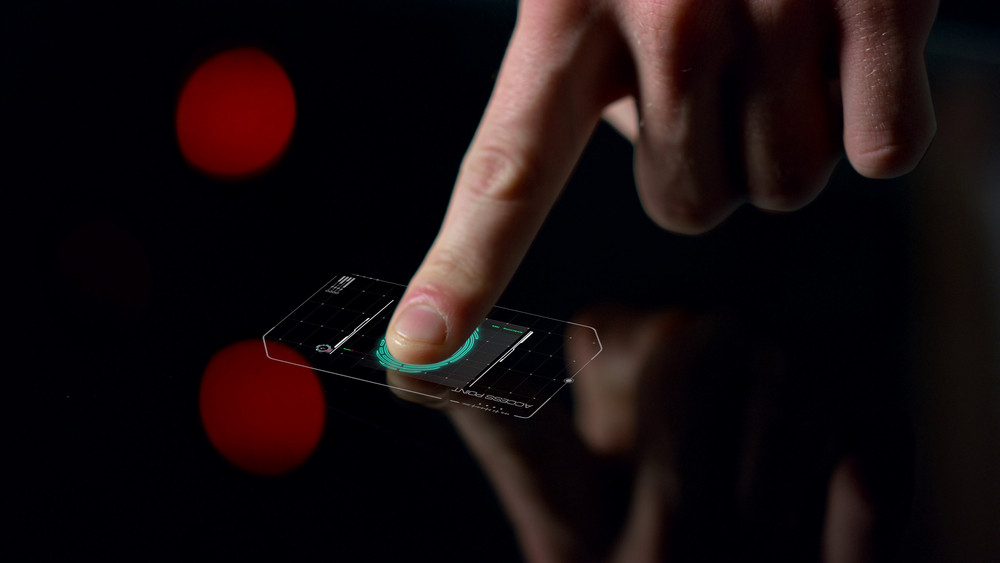
The Accuracy of Fingerprint Services
Highlights
- Automated fingerprint matching is among the most accurate identification technologies in routine use.
- Capture quality at the point of collection is the largest single variable affecting match results.
- Live scan technology reduced the smudging, over-inking, and placement errors common to ink cards.
- Federal systems return results on civil submissions in a fraction of the time paper processing required.
- Rejected submissions cost applicants weeks, which makes technician training a practical concern.
- Mobile Electronic Fingerprinting captures prints electronically with attention to the factors that drive rejection rates.
Fingerprint identification has been in continuous use for more than a century, which occasionally leads people to assume it is a settled, low-technology field. The reality is that the systems behind modern fingerprint services have changed dramatically, and the accuracy figures they now achieve would have been unimaginable to the examiners who built the discipline.
That accuracy matters directly to anyone getting printed for employment, licensing, adoption, or volunteer clearance. A correct match returns a clean result quickly. A poor capture, by contrast, can produce a rejection that sends an applicant back to start the process again, often weeks into a hiring timeline.
Understanding where accuracy actually comes from, and which parts of the process a person can influence, makes the appointment considerably less mysterious.
Definition: Minutiae
Minutiae are the specific ridge characteristics used to compare fingerprints, including ridge endings, bifurcations where a ridge splits, and short ridges. Automated systems extract and map these points rather than comparing whole images.
Understanding the Accuracy of Automated Matching
The performance of modern matching systems is well documented. According to the National Institute of Standards and Technology, sophisticated computer systems that automatically match fingerprints are accurate more than 99% of the time.
That level of performance came from decades of refinement in feature extraction, filtering, and matching algorithms capable of handling partial or imperfect impressions. Systems now compare mapped minutiae points rather than whole images, which is what allows them to identify a match even when portions of an impression are unclear.
What algorithmic improvement did not change is the dependence on input quality. A matching system can only evaluate the ridge detail it receives, which makes the capture itself the limiting factor in practice rather than the technology processing it.
Why Does Capture Quality Determine the Result?
An algorithm can only work with the ridge detail it receives. If minutiae are obscured at the moment of capture, no amount of processing recovers them.
Several conditions degrade a capture. Dry skin produces faint, broken ridges with insufficient contrast. Excessively moist skin fills the valleys between ridges and blurs the pattern. Worn ridge detail, common among people who work with their hands, in certain trades, or among older adults, reduces the available minutiae. Scarring interrupts ridge flow. Improper finger pressure flattens or distorts the impression.
Technique addresses most of this. A trained technician assesses skin condition before capture, adjusts pressure and rolling technique accordingly, and recaptures immediately when the on-screen quality score falls short. That real-time feedback is the central advantage of electronic fingerprint services over ink cards, where quality problems surfaced only after submission.
Definition: Live scan
Live scan is the electronic capture of fingerprints using an optical or capacitive sensor rather than ink and paper. The image is assessed for quality at the moment of capture, allowing immediate recapture, and is transmitted digitally to the receiving agency.
Comparing Electronic Capture to Ink Cards
Ink capture introduced error at nearly every stage. Too much ink filled the ridge valleys. Too little produced incomplete impressions. Rolling technique varied between technicians. Cards smudged in handling, and there was no way to evaluate the result until an examiner or system reviewed it, often weeks later.
Live scan removed most of these variables. Sensors capture directly from the finger with no medium in between. Software scores each impression against established quality thresholds and flags anything inadequate before the session ends. Digital transmission eliminates handling damage and physical transport entirely.
Speed improved dramatically alongside quality. According to the Federal Bureau of Investigation, electronic responses to criminal tenprint submissions return within two hours and civil submissions within 24 hours. The contrast with paper is stark: according to the California Contractors State License Board, processing time for hard copy fingerprint cards is substantially longer than live scan fingerprinting, taking three to six months or longer.
Reducing Rejection Rates for Applicants
Rejections carry real cost. An applicant whose submission is rejected for insufficient quality typically must be reprinted, resubmitted, and reprocessed, which can add weeks to a background check that an employer is waiting on.
Reputable providers of fingerprint services manage this through several practices. They verify quality scores against agency thresholds before ending the appointment rather than submitting marginal captures and hoping. They know which agencies apply stricter standards. They handle difficult ridge conditions with appropriate techniques rather than repeating a failing approach.
Applicants can help as well. Moisturizing hands the night before an appointment, though not immediately beforehand, improves dry skin. Avoiding abrasive cleaning products, heavy manual work, or activities that damage fingertips in the days prior preserves ridge detail. Arriving without hand lotion applied that morning keeps the sensor surface clean.
Recognizing What Accuracy Does Not Mean
A precise point deserves clarity. Accuracy in automated matching refers to correctly identifying whether a submitted print corresponds to an existing record. It does not mean the underlying record itself is complete or current.
Background check results depend on what reporting agencies have submitted and how promptly records were updated. A fingerprint match that works perfectly still returns only the information contained in the databases being searched.
For applicants, this distinction matters when a result appears incomplete or unexpected. The issue is far more likely to lie in record content than in the matching process, and challenging a record follows a different path than requesting a reprint.
Get Your Prints Captured Right the First Time
The technology behind fingerprint identification performs at a level that removes matching from the list of things worth worrying about. What remains variable is the capture itself, and that comes down to the equipment used and the person operating it.
Mobile Electronic Fingerprinting provides fingerprint services with electronic capture, on-site quality verification, and attention to the skin and ridge conditions that drive most rejections. We come to you, confirm your submission meets the receiving agency’s standards before we finish, and keep your timeline on track. Reach out to schedule an appointment for fingerprint services.
Frequently Asked Questions
How accurate is fingerprint identification?
Modern automated matching systems are accurate more than 99% of the time, with current federal algorithms reported above 99.6%. Accuracy depends heavily on the quality of the captured image, which is why technique at the point of capture matters.
Why do fingerprint submissions get rejected?
Rejections usually stem from insufficient image quality caused by dry or moist skin, worn or scarred ridge detail, improper pressure, or incomplete rolls, rather than from any problem with the matching system itself.
What does Mobile Electronic Fingerprinting do to prevent rejections?
We use electronic live scan capture with real-time quality scoring, adjust technique for individual skin and ridge conditions, verify results against the receiving agency’s standards before the appointment ends, and travel to your location for fingerprint services.